The separation between nature and urban life is becoming increasingly obvious. Surrounded by concrete walls, artificial lighting, and digital screens, the interaction with the natural environment often recedes into the background of human consciousness. It was such growing detachment that gave birth to the idea of biophilic design-reinsertion of nature into spaces where people live, work, and socialize. Biophilic design is more than just an aesthetic trend; it is a philosophy nurturing health, creativity, and emotional well-being.
What is biophilic design?
Biophilic design incorporates the notion that humans have an innate need to connect with nature. The word “biophilia” means “love of life” or “love of living systems.” In design, it translates into incorporating natural elements like light, plants, water, and organic materials into modern architecture and interior settings. It’s more than just adding greenery; rather, this is considered to be the creation of environments that will evoke the feeling of being in nature.
Examples of biophilic design range from homes that maximize natural light via large window arrays to offices that purify the air with indoor gardens and hotels featuring natural textures like stone, wood, and water features. It is not just about good-looking spaces, but such space makes people feel more calm, happy, and connected with everything around them.
Nature-Inspired Design: The Benefits
Various pieces of research prove that contact with nature improves the state of one’s mental and physical conditions. Biophilic areas can reduce stress, increase productivity, and even help improve sleep. In offices, natural elements have been found to enhance creativity and reduce burnout; in homes, they create a comforting sense of sanctuary that’s increasingly desirable today, when so many hours are spent indoors.
For example, the rhythm of life is regulated by the presence of natural light: being more productive during the day and resting at night. Greenery plants consume carbon dioxide while emitting oxygen into the environment; therefore, the air gets cleaned and the function of the brain is revived. The soft noise of running water or even the pattern of raw wood may induce relaxation and a reduction of anxiety. Biophilic design transforms ordinary spaces into living ecosystems that nurture both body and soul.
Biophilic Design in Modern Applications
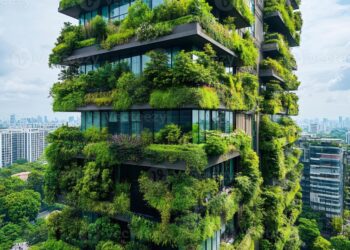
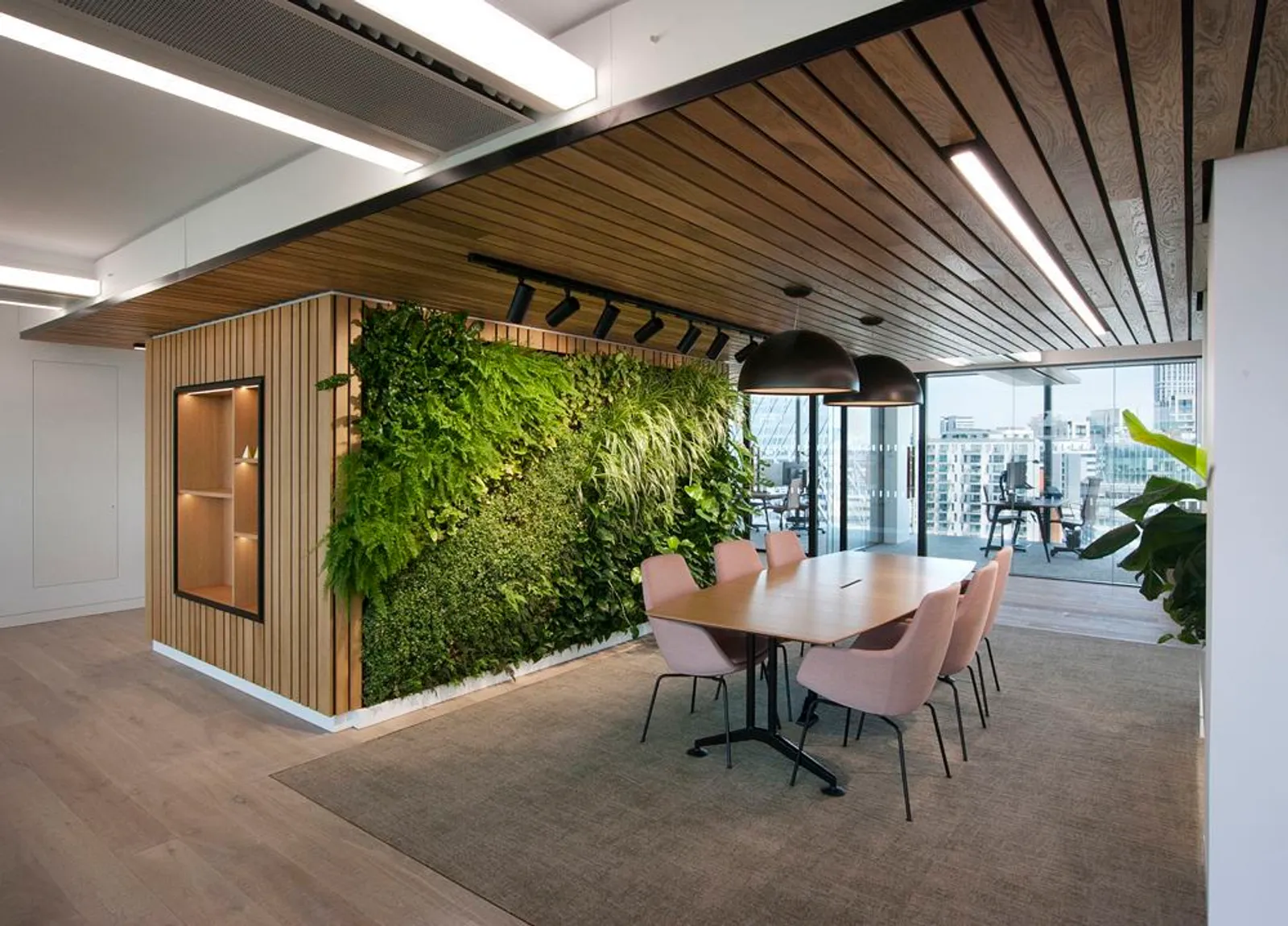
Biophilic principles are also being inculcated into the works of architects and designers for residential and commercial purposes. Examples are rooftop gardens, vertical forests, and living walls in urban buildings. Companies like Amazon, Google, and Apple have redesigned their offices with ample natural light, open layouts, and a lot of greenery to improve employee well-being and performance.
In houses, it’s more personal and accessible. Quite noticeably, the key to making a big difference can be as simple as indoor plants, earthy color schemes, natural materials, and good ventilation. Designers are also experimenting with digital biophilia-technology that mimics natural environments-think video walls of natural landscapes or smart lighting that simulates sunlight patterns.
The Future of Sustainable Living
Biophilic design goes hand in hand with the rising global movement of sustainability, harmonizing human life with the planet by underlining natural materials, energy efficiency, and environmental balance. As climate concerns grow, designs that respect and integrate with nature will go from desirable to necessary.

Concluding Remarks
Basically, biophilic design is more about a way of living than it is about the way something was designed. It reminds us that despite technological modernization, our well-being still has much to do with our relationship with the natural environment. In 2025 and beyond, as we continue to build smarter, faster, and taller, bringing nature back into modern spaces will help us stay grounded, balanced, and truly alive.