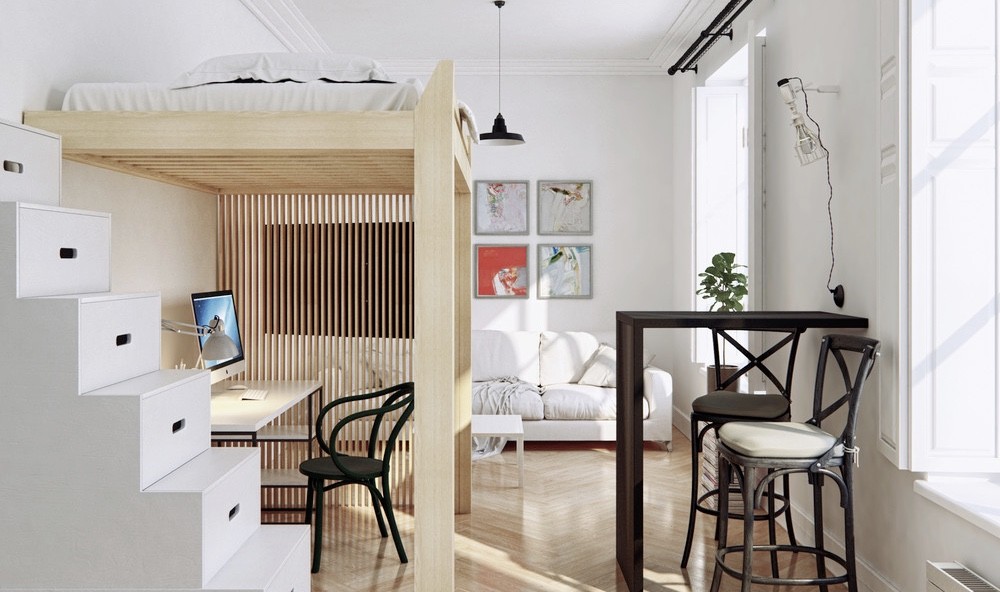
In the city, one thing is practically a given: small square footage. Because of that very reason, the idea of a minimalist home has become incredibly popular. However, minimalism is not only an aesthetic decision but a way of life that stands for simplicity, functionality, and mindfulness in space usage. Therein lies the key: less clutter, more room to live. No matter the size, you can create and organize your home to feel open, efficient, and really relaxing.
Understanding Minimalist Living
The principle of a minimalist way of living is to have the essential things. Each piece of furniture, each decoration, and every corner should have a purpose. Of course, that doesn’t mean one has to keep rooms empty; it simply means that an ideal balance of aesthetic appeal and practicality is reached. In a minimalist home, neutral tones and natural light dominate, with open layouts making spaces appear larger and inviting. The goal in designing your home is to support your daily needs, not to overwhelm your senses.
Smart Furniture Choices
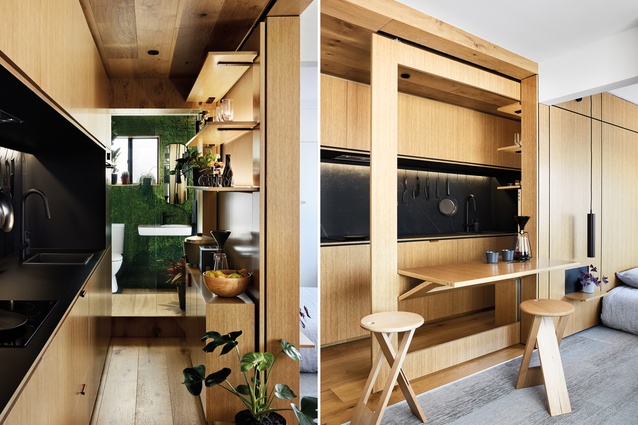
Furniture selection is among the most vital ways small spaces can be maximized. Futon sofa beds, foldable tables, and benches with hidden compartments are good examples of how to multitask in one space. Built-in furniture, such as wall-mounted desks or modular shelves, saves floor space as you organize your home. After all, with minimalistic design, it’s really about quality over quantity. A few well-chosen items that meld style and function will go a long way toward beautifying and easing up a home.
The Power of Storage Solutions
Clutter is the arch-nemesis of minimalism. The secret to clean, airy interiors lies in good storage: vertical storage units, hidden compartments under the bed, and disguised cabinets that keep things neat but still look great. Shelving can be decorative, too, keeping items you use every day at your fingertips. You allow a sense of calm and organization to open up both physical and mental space by making sure everything has a place.
Lighting and Color Strategy
Lighting is everything in a minimalist home. Natural light is to be maximized, with the sun passing freely through large windows or sheer curtains. Supplemental lighting, either through recessed lights or in the form of minimalist pendant lamps, can add both emphasis to certain focal areas and warmth. Color also becomes an important element here: light tones of white, beige, or soft gray can help create the impression of a larger room, and contrast colors can be chosen very carefully for individual statements that won’t disturb harmony.
Creating Living Spaces with Flexibility
Modern living is all about flexibility in space. A room can serve all purposes, be it a living room, study, or guest room, depending on how it is designed. Moveable partitions, sliding doors, or foldable furniture give the ability to adapt spaces while maintaining a minimalist feel. It’s about letting your home grow with you-so it stays functional and keeps inspiring you over the years.
Conclusion: Function Meets Serenity
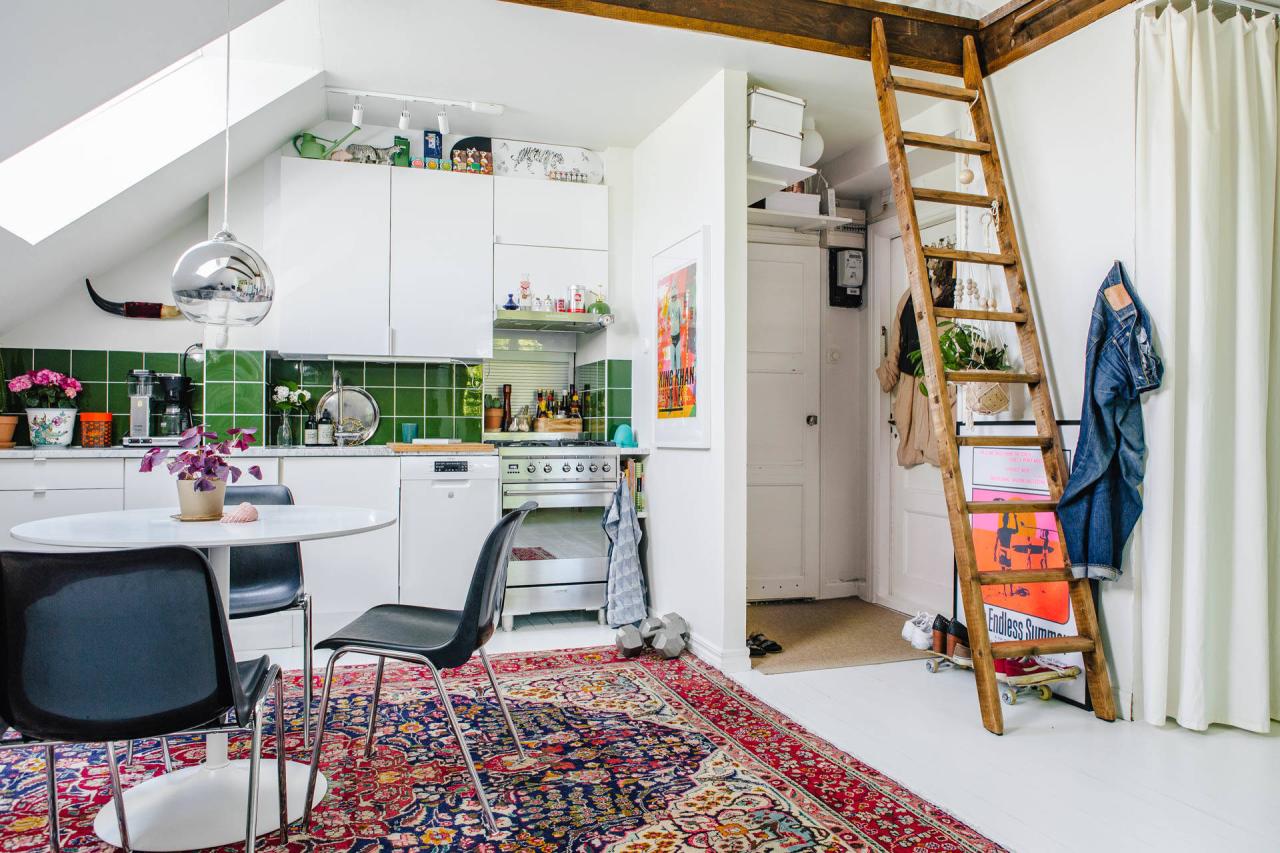
A minimalist home is more than a trend-it’s a conscious way of living. Stressing function, using smart design, and keeping order allow even the most minuscule spaces to be remade into peaceful, efficient, and chic havens. By 2025 and beyond, when the urban space will grow more compact, mastering minimalism will actually be about much more than comfort; it will be about well-being. After all, true luxury lies in simplicity and the freedom that follows.