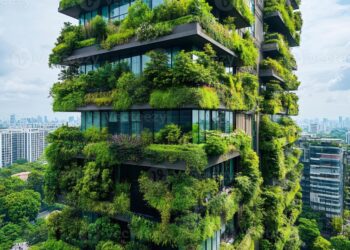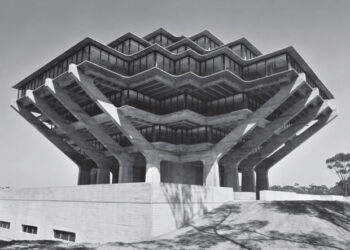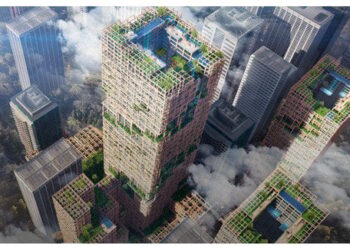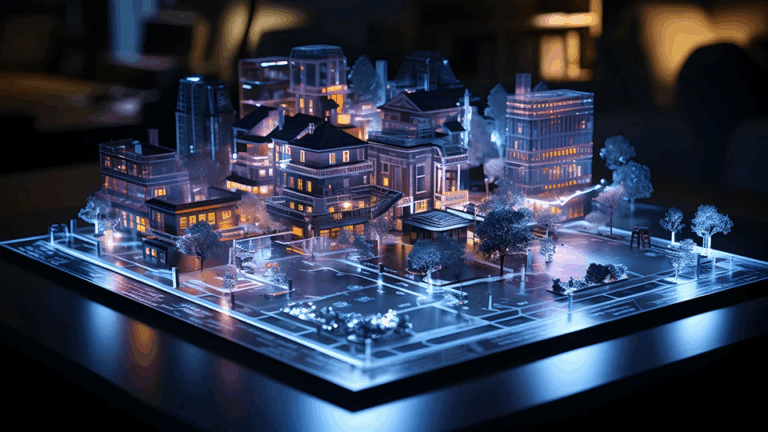
Whereas almost every professional field has felt profound change from the rapid advancement of digital technology, architecture is no different. Powered by the rise of Artificial Intelligence and generative design, by 2025 the industry will be undergoing one of the most radical evolutions in its history. These tools are no longer optional add-ons; they’re intrinsic to contemporary practice and shape the cognition of architects, the way they design and collaborate, and how projects are delivered. As global challenges-from rapid urban growth to environmental concerns-become ever more complex, AI-driven methods confer on architects sharper insight, broader creative freedom, and operational efficiency than ever before.
AI: The Modern Design Assistant
AI has long outgrown its narrow confines as a simple automation tool. Today, it’s an intelligent design assistant, capable of processing large volumes of data in just seconds. By assessing such environmental factors like climate, sunlight exposure, or wind direction, AI can generate numerous design options which precisely answer specific site needs.
Rather than diminishing the role of human creativity, AI enhances it by supporting architects in rapidly evaluating design trade-offs and material impacts. Capabilities like these will let professionals invest more time in refining the conceptual and artistic sides of their work. In that vein, younger architects appreciate how AI makes complicated calculations simpler and how that functionality emboldens them to experiment with more confidence in pushing the boundaries of design.
Generative Design for Complex Architectural Forms
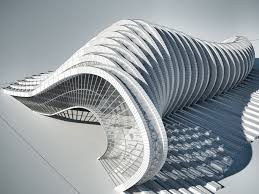
Of the recent innovations in current practice, the most influential is generative design. This technology can produce, through algorithm-based exploration, thousands of possible configurations of a design, each optimized according to criteria that the architect has determined to be important: structural stability, material efficiency, cost, and spatial organization.
In 2025, generative design has grown to be a pervasive approach for projects requiring intricate geometries or large-scale planning, such as in the design of airports, cultural centers, stadiums, and public infrastructures. Most of these projects, for the level of involvement required, need very detailed analyses that could almost be impossible to conceptualize by hand. The result is visually compelling architecture but also highly functional spaces that are most efficient in resource utilization.
Time and Cost Efficiency in Construction
These are traditionally very complex activities, and AI has greatly reduced the time it takes to resolve technical challenges. For example, automated structural simulations allow architects to test the load-bearing capacity in minutes, while AI-based material selection tools identify the most sustainable or cost-effective option for whatever the project requires.
Probably the most important advantage is in the reduction of design errors. Firms will be saved from costly revisions later in the process because risks are recognized early through predictive algorithms. Indeed, this is a great plus for younger firms or small studios that have to work within tight deadlines and thus manage their budgets with care.
A New Workflow with Virtual Collaboration
This shift to digital collaboration is now more pronounced than ever, with cloud-based platforms in real-time that support interaction among architects, engineers, contractors, and clients. Changes to digital models can be viewed instantly, making the design process much more transparent and reducing communication gaps—issues that have conventionally slowed down project development. It enables better control over scheduling and productivity among working professionals in the age group of 20-50 years, who believe flexibility in work habits is paramount. Be it from working at home, on-site, or from different countries, architects will always remain fully plugged into project teams.

Conclusion:
Speed, flexibility, and innovation are hallmarks of the architectural landscape in 2025, driven by AI and generative design. These technologies support architects in developing smarter buildings, more efficient workflows, and finding effective design solutions to modern challenges. Far from being temporary fads, AI and generative design are likely to continue as strong cornerstones in current architectural practice and to shape this profession for decades to come.