Over the past decade, there has been great change in residential design due, for the most part, to changing lifestyle requirements and a better understanding of health and wellbeing. In people’s busy lives in bustling cities, the need to have homes that can support both physical and emotional wellbeing is growing. Over the last decade, two themes have dominated: biophilic design and smart home technology, as owners strive for properties that offer enhanced comfort, efficiency, and quality of life. Both concepts are especially popular among people from 20-50 years old who want to put more focus on health, convenience, and living with a conscience.
Biophilic Design and the Need for Nature Connection
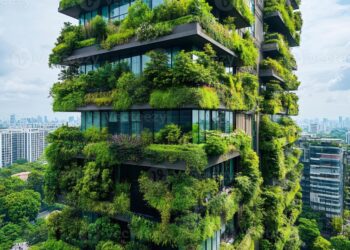
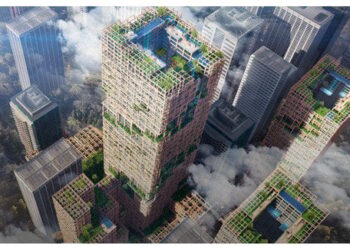
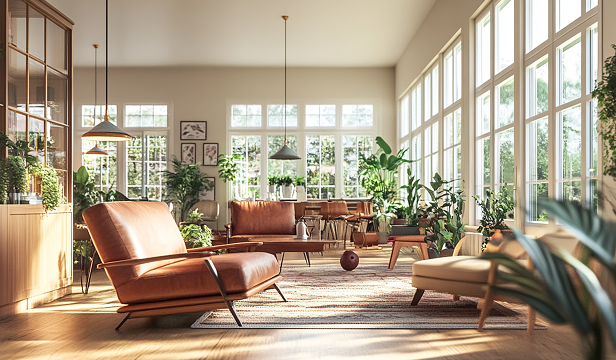
Biophilic design has emerged as a strong solution to bridge the gap that has been developing between people and nature, particularly in most cities filled with people. The principle behind it, really, is quite simple: the environments that include some amount of natural elements tend to show better mental health, lower levels of stress, and greater overall satisfaction. This is achieved by designers through maximizing natural light, enhancing ventilation, and incorporating organic materials like wood, stone, and natural fibers.
Houses are designed to be roomier, with larger windows, open floor plans, and indoor garden elements that create space and peacefulness. The earthy tones, soft textures, and views of the greenery supporting relaxation all work together to reinforce this peaceful environment. With remote working not abating, people seek out places to live that offer them a place to stay focused but also restore them from long hours on the screen. Biophilic design is helping to re-engage residents in natural rhythms often lacking in urban life.
Smart Homes and Efficiency in Daily Activities
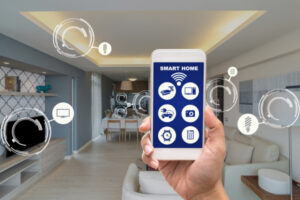
Convenience has become synonymous with modern living, from biophilic design to smart home technology. Systems such as this bring in a touch of automation that can offer ease in lighting, indoor temperature regulation, blind operation, security access, amongst other operations. By a few taps on a mobile device or voice commands, homeowners can operate daily routines with more efficiency.
Needless to say, energy savings is another huge advantage. Automation of climate control, occupancy-based lighting, and intelligent appliances bring down unnecessary consumption. From environmental to financial reasons, smart homes are one of the fastest-growing areas of popularity. Young families and working professionals increasingly prefer these features because they make daily tasks easier without any compromise on comfort. Smart home technologies allow aging in place and provide a level of independence with automated alerts and monitoring features that allow older adults to live safely.
Merging Nature and Technology
Perhaps the most promising development in residential design in the last several years has been the development of biophilic principles with smart home systems. This results in a living environment that is as aesthetically harmonious as it is responsive: automated window systems open based on air quality or daylight levels, while smart irrigation tools make sure indoor gardens are always at that perfect amount of water. Such kinds of integrations go beyond supporting sustainability toward creating spaces that feel almost alive and adaptive to their occupants.
A melding of natural elements with technology allows residents to have the benefits of modern convenience without losing the calming influence of nature. This speaks to a movement toward holistic design, whereby homes take care of both body and mind.
Psychological Comfort as a Core Component
Contemporary residential architecture increasingly realizes that psychological comfort forms the cornerstone of good design. Natural light elevates mood and helps regulate sleeping patterns, while indoor greenery improves concentration and reduces stress. At the same time, smart technologies eliminate repetitive tasks and give a sense of control in one’s home. In these collective ways, combined elements for working individuals and active families support daily productivity by creating an atmosphere that allows rest and recovery. No longer is a home a simple place to stay; rather, it’s a personal ecosystem crafted toward improving one’s well-being.

Conclusion
Biophilic design and smart home technology combined create healthier and more efficient living spaces. With the growing emphasis on comfort, sustainability, and mental well-being, these trends will surely become the defining standard of modern residential architecture. Future homes would indeed be intelligent, yet nourishing—places connecting to the outside natural world with innovative technology for a life in balance, to the fullest.