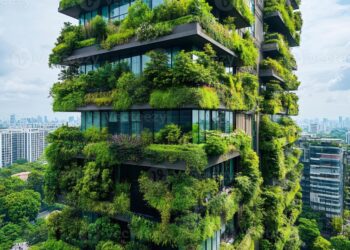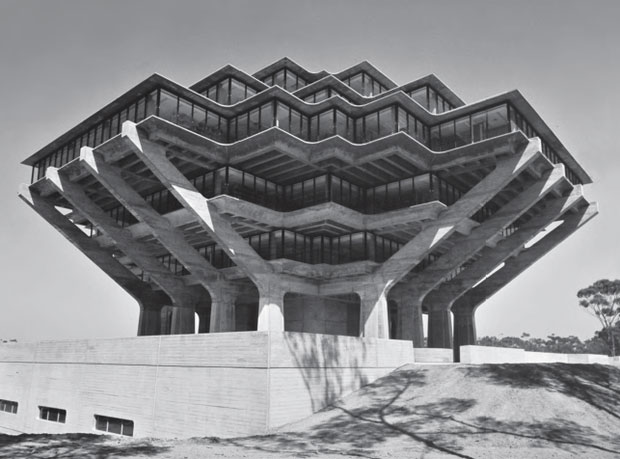
Brutalism is an architectural style that gained popularity in the mid-20th century but has recently experienced a significant resurgence. What was once considered harsh, imposing, and rigidly structured is now harnessed through a very humanistic lens. Modern architects are taking the core elements of brutalism-structural honesty, expressive geometry, and material authenticity-and softening them to appeal to today’s sensibilities. Warmer materials, refined textures, and strategic lighting make today’s brutalism organic and inviting yet retain the strength originally residing within the term.
From Rigid to Organic Forms
Classic brutalism was marked by monolithic forms and raw, exposed concrete. Though these traits remain in vogue, modern reinterpretations blend concrete with other earthy materials like timber, stone, and clay. A balanced composition that still tends to feel durable but also equally tied to nature emerges through this blending of materials. Organic curves, softened edges, and integrated landscaping further help brutalist buildings interact harmoniously with their environs. Thus, the building structures that appeared so rigid now also convey sculptural elegance and environmental sensitivity.
Texture and Lighting as Transformative Elements
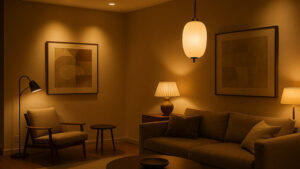
One of the biggest changes in modern brutalism has to do with attention to surface quality and light. Earlier works in brutalism often featured raw, unfinished concrete that absorbed light and produced a heavy visual weight. Modern projects feature polished or subtly textured finishes that capture and reflect light in a more delicate manner. Ample natural light through expanded windows, skylights, and perforated façades cuts down on the somber, imprisoned feeling associated with the traditional brutalism of old. Such improvements bring rhythm, warmth, and spatial openness to interiors, making them much more comfortable and much more attractive.
Simplicity and Structural Honesty
The renewed interest in brutalism is also partly because it is straightforward. In an age where architectural trends often take the path of being complex, most individuals find brutalism clear and refreshing. Thus, clean lines, visible structure, and honest material expression strike a specific responsive chord among young people, who are generally attracted to minimalist designs that have character. Here, proportions, massing, and authentic materiality replace ornamentation to make a statement of identity for the architecture.
Applications in Homes and Public Architecture
Today’s brutalism is no longer confined to civic buildings or institutional projects. In increasing numbers, private residences employ concrete walls, minimalist layouts, and texture-covered surfaces in the quest for a contemporary aesthetic grounded in place. In public architecture, softened brutalist forms provide monumental spaces without intimidation. Adding landscaping, greenery, and intelligent lighting principles to the atmosphere often allows large structures to be much more inclusive and human-scaled.

Conclusion
Modern Brutalism proves that architectural styles can indeed evolve with the times yet retain elements of their core values. In its resurrection, organic materials, refined finishes, and an emphasis on human comfort come together in a Strength-meets-Minimalism combination that’s altogether fresh and relevant. Such a transformation in the style points to the idea that enduring principles can be reinterpreted in light of present needs.