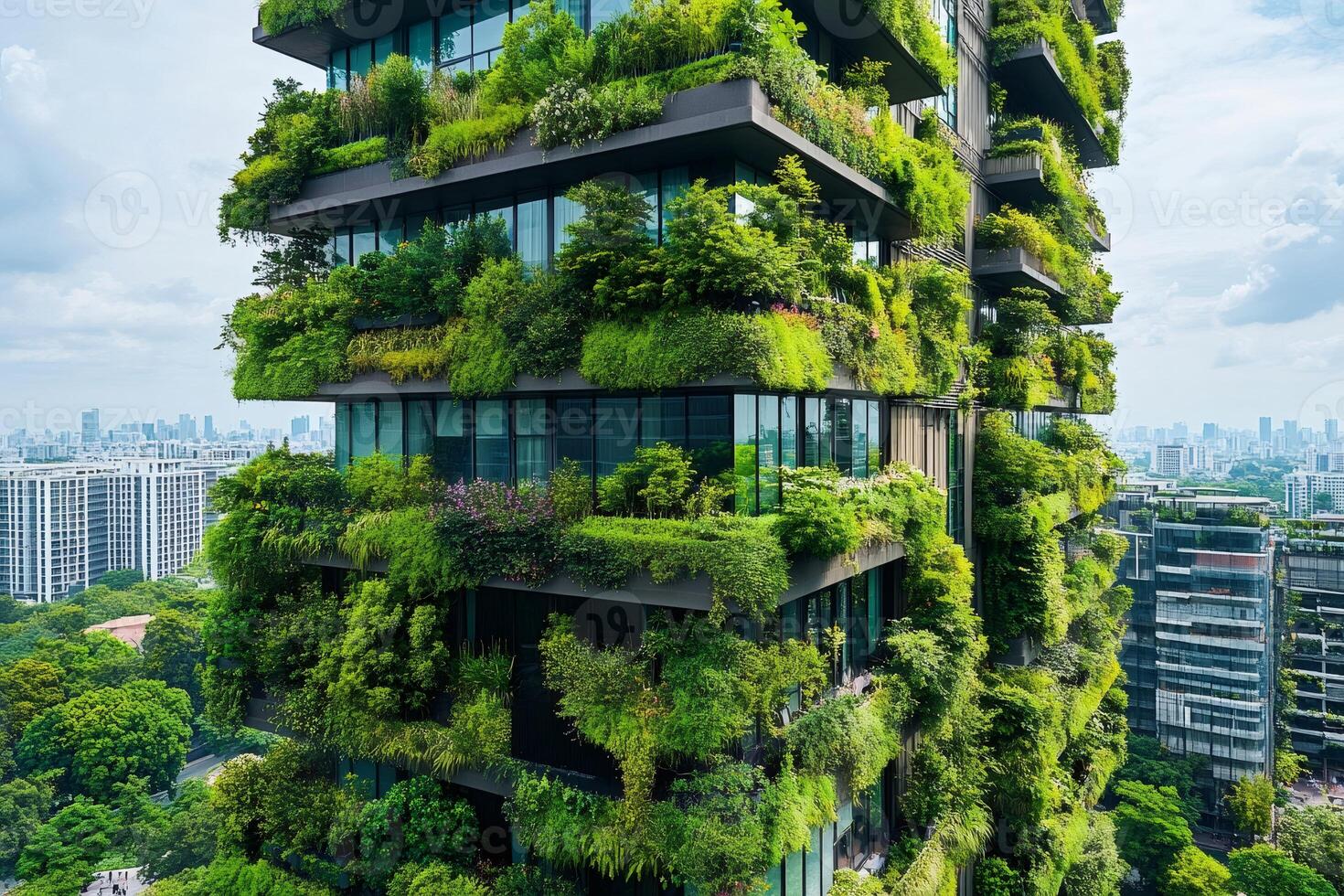
Within the last couple of years, the concept of green buildings has really gained momentum in architectural circles. Changes in climate, increasing energy consumption, and demands for healthier places to live have spurred architects to embrace more sustainable practices. This has taken off rapidly, not only in developed countries but also across developing regions, including Southeast Asia. This article explores why green buildings continue to shape global architectural conversations in 2025.
Energy-Efficient Buildings: The New Standard
One of the prime reasons green buildings have become so popular is due to the ever-pressing demand for efficient energy management. Most big cities face the challenge of growing demands for electricity; hence, energy-saving designs are practical. It is no longer an option but a standard to integrate solar panels, optimized ventilation systems, and high-insulation materials. Across the globe, architects are trying to reduce carbon footprints without giving up aesthetic quality in their designs.
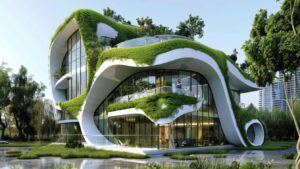
Eco-friendly materials will become more affordable.
Eco-friendly materials were once hard to source and were considered expensive. Times have changed with technology. Recycled materials, certified wood, low-carbon concrete-all those kinds of materials are more available today from more manufacturers at competitive prices. This is a shift that will provide architects with the ability to pursue sustainable concepts without increasing the cost of construction significantly.
Well-being and comfort are the main priorities.
Green buildings not only target energy savings but are also aimed at enhancing the health and comfort of their occupants with the use of natural lighting, improved indoor air quality, and proper temperature control. The health-conscious adult population between the age bracket of 20–50 years has emerged as the driving force for demand in green buildings.

Regulatory Support and International Certifications
Many countries are adopting green building standards such as LEED, EDGE, and Greenship. These facilitate the developers to incorporate sustainable principles in their projects, as the certified buildings have higher market value. Incentives by the governments, which range from tax benefits to streamlined permits, are also playing an essential role in accelerating adoptions of green buildings.
Conclusion
The reason why green buildings keep thriving as a global trend is because they address modern environmental challenges while promoting comfort and aesthetics. Backed by new materials, government policies, and an ever-increasingly aware public, sustainable architecture is bound to dominate the construction landscape in the years to come.