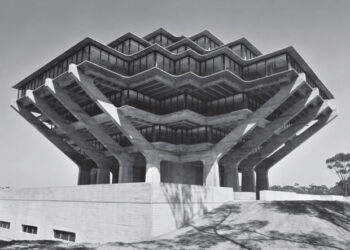
Europe is home to some of the world’s most stunning hotels. Blending architecture and culture with creativity to offer guests unforgettable experiences. From renovating ancient historic buildings to futuristic eco-retreats, these hotels transcend conventional accommodations and enter the realm of art, telling the stories of their cities and cultures. Here are four outstanding examples that exemplify architectural excellence in European hospitality.
1. Conservatorium Hotel – Amsterdam, Netherlands
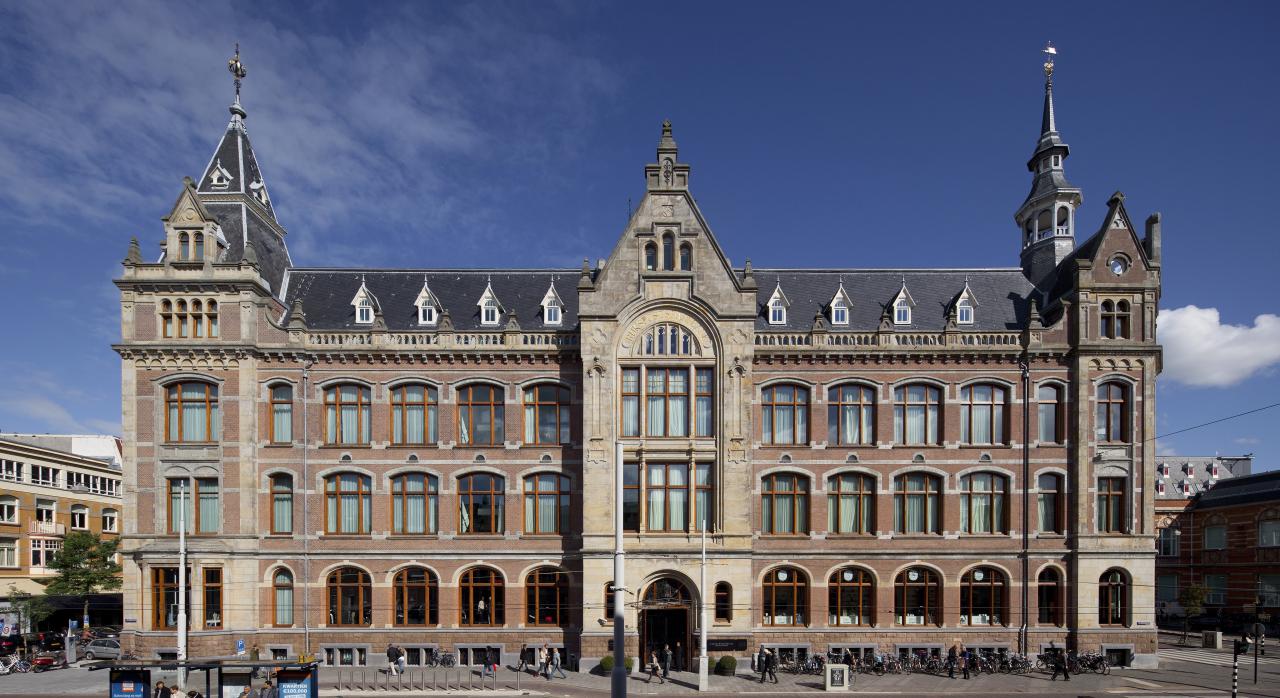
The Conservatorium Hotel Amsterdam is centrally located in Amsterdam’s museum district and truly embodies the very best of history and modern sophistication. Once a music conservatory utilized during the late 19th century, the hotel has now been redesigned into a five-star hotel by architect Piero Lissoni, combining respect for its heritage with modern design.
Atriums made of glass, exposed brickwork, and sophisticated steel structure grace interior spaces. It is industrial, yet refined; the exposed structure gives it that feel. Natural light comes in from a central courtyard, while high ceilings with clean lines keep the grand nature of the original structure intact. This hotel is surrounded by art and culture-from fine dining to spa facilities-and it’s as much a masterpiece of adaptation as any.

2. Treehotel – Harads, Sweden
If you’re looking for something really different, Treehotel in Harads, Sweden, is an unforgettable experience in nature. Conceived by a number of top Scandinavian architects, each room is suspended among the treetops of the pine forest and takes a unique shape-from the reflective Mirrorcube to the playful UFO.
Treehotel is the future of sustainable architecture: minimal impact on the environment during construction, eco-friendly materials, and accommodations without interfering with nature. During your stay in it, one can enjoy a fantastic panorama over the valley of Lule River and experience total tranquility at the same time. Really, it’s an excellent example of how architecture and nature could be combined in harmony.
3. Juvet Landscape Hotel – Valldal, Norway
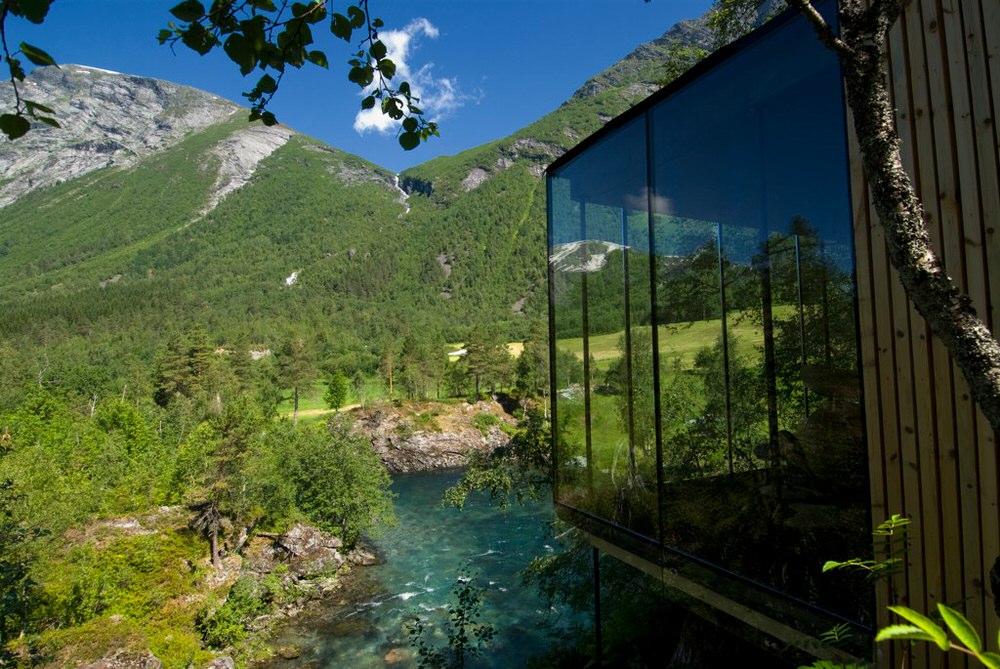
The Juvet Landscape Hotel nestles inconspicuously deep within the stunning western Norwegian landscape, conceived as a fully immersive minimalist architectural experience. Oslo-based Jensen & Skodvin Architects provided the design for the hotel, which consists of only a few small cabins with glass walls that seem to disappear into the surrounding forest.
Each cabin is sited for maximum privacy and views, placing the guest utterly at one with nature. It’s a design speaking of Scandinavian simplicity: clean lines, natural wood, and an emphasis on light and space. This is more than just a hotel but also a state of mind, all about mindfulness and reconnecting with the great outdoors. For those travelers in search of rest and serenity, Juvet is a haven and work of art.
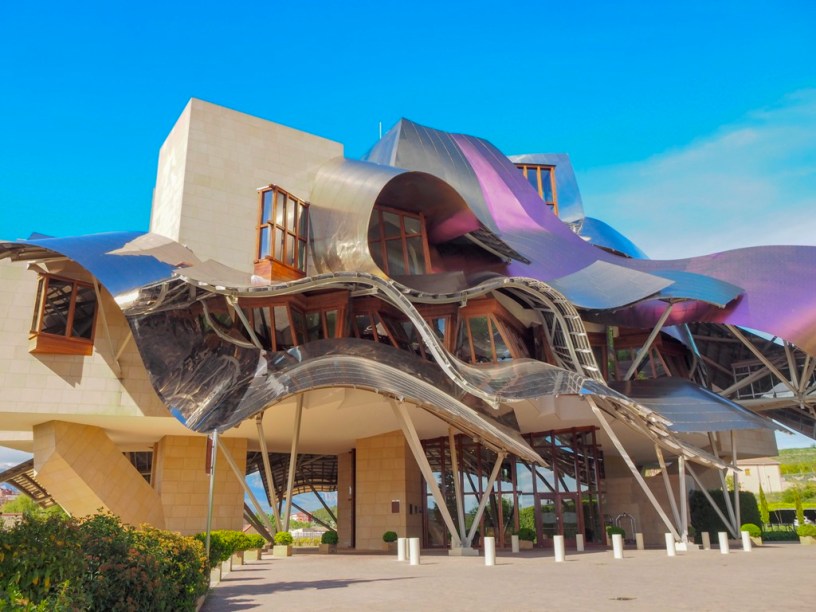
4. Hotel Marqués de Riscal, Elciego, Spain
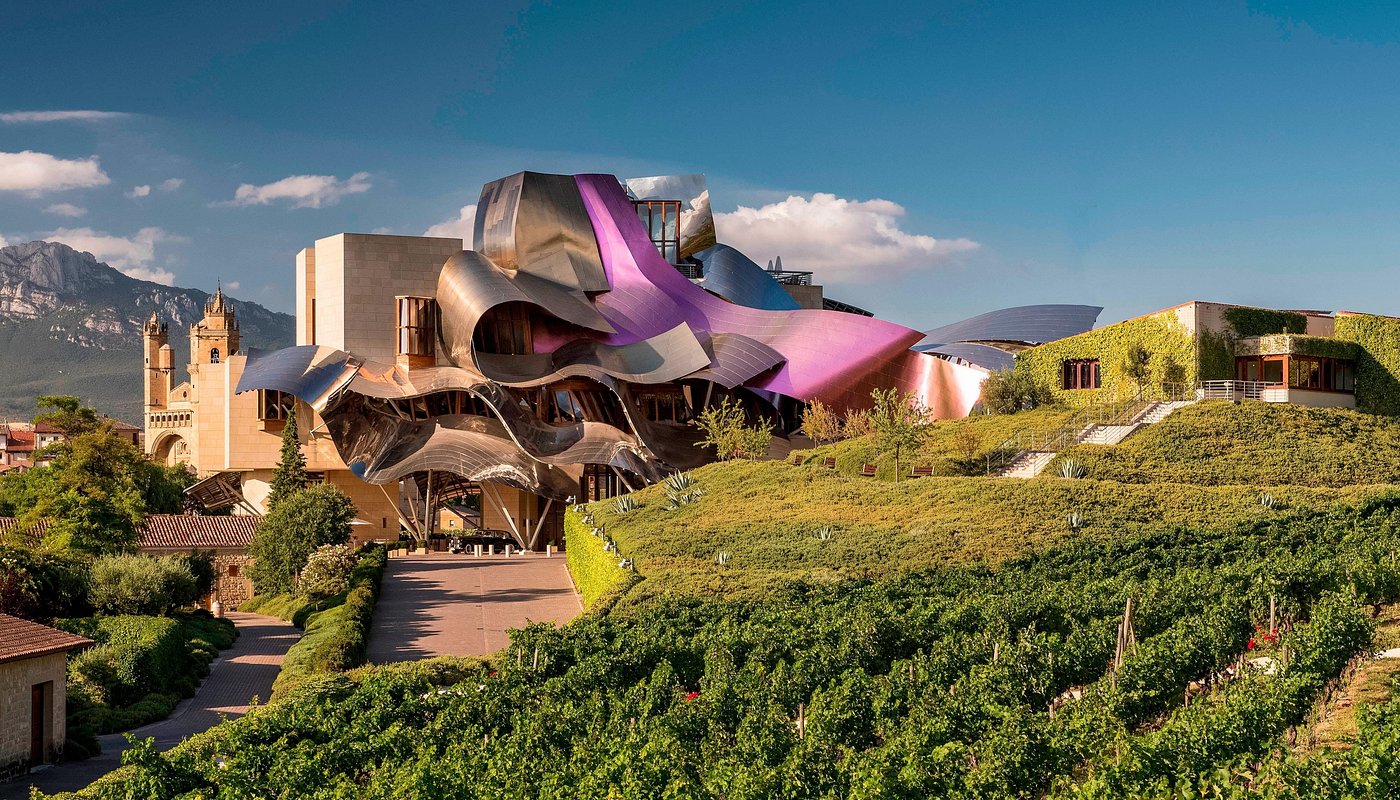
The Hotel Marqués de Riscal by world-renowned architect Frank Gehry is an architectural wonder situated in the Rioja wine region of Spain, redefining luxury hospitality. Signature titanium ribbons twist and shimmer in the sun’s rays while a futuristic silhouette over rolling vineyards captures the view.
Inside, signature fluid shapes, asymmetrical lines, and an avant-garde interior reveal Gehry’s unmistakable touch. Part of a highly regarded winery, world-class wine tastings and gourmet experiences are on tap for its guests. Marqués de Riscal is far more than a hotel but a celebration of art, design, and the spirit of innovation that defines modern Europe.
Concluding Observations
With the unique hotels of Europe, it becomes obvious that architecture has the power to shape experiences, stir emotions, and tell stories. From Amsterdam’s Conservatorium and its elegant interpretation of cultures to Sweden’s Treehotel with its eco-innovation, to Norway’s Juvet Landscape Hotel and the serenity it brings into the minds of the visitors, all the way to the futuristic artistry of Spain’s Marqués de Riscal, each destination really gave something above mere ordinary luxury. These architectural marvels remind us that, in a world where travel consumers seek out places not so much for meaning but for comfort, design is not about how a space looks but how it makes you feel.