Katadata.co.id
No Result
View All Result
28 January 2026
  • Modern Architecture
  • Green Architecture
  • Interior Design Inspiration
  • Architectural Design
  • Modern Architecture
  • Green Architecture
  • Interior Design Inspiration
  • Architectural Design
kata data
No Result
View All Result
Home Green Architecture

The Evolution of Urban Skylines: From Concrete to Green Towers

hamo by hamo
November 25, 2025
in Green Architecture, Modern Architecture, Urban Architecture
The Evolution of Urban Skylines: From Concrete to Green Towers

Source: mdpi

Cities have always been defined by their skylines-striking silhouettes rising against the horizon-symbolic of human progress, ambition, and identity. The growth in urban skylines narrates not only the story of architectural innovation but also the shifting values in society-from gray, concrete monoliths during the Industrial Era to shining, eco-conscious towers today. What was once the race for height has now turned into a quest for harmony: harmony with nature, technology, and human well-being.

– Advertisement –

The Age of Concrete Giants

The middle of the 20th century saw a high tide of concrete and steel, with cities like New York, Chicago, and Hong Kong as showcases of vertical ambition. Skyscrapers stood for economic might and modernity as they started to push the frontiers of engineering. Iconic structures like the Empire State Building and Sears Tower were testaments to human dominance over landscape. This reach for the sky often came at the cost of dense, polluted cores disengaged with nature. The higher the growth of cities upward, it seemed, the less space there was for green, breathable environments.

Even concrete, so sturdy and functional, became a metaphor for urban alienation: huge high-rises isolating people from the ground and from each other. In such a way, cities became a place to work, not a living ecosystem. Still, beneath the industrial progress, a new consciousness began to emerge that was starting to question the sustainability of this vertical growth.
Source: arch2o

The Green Awakening

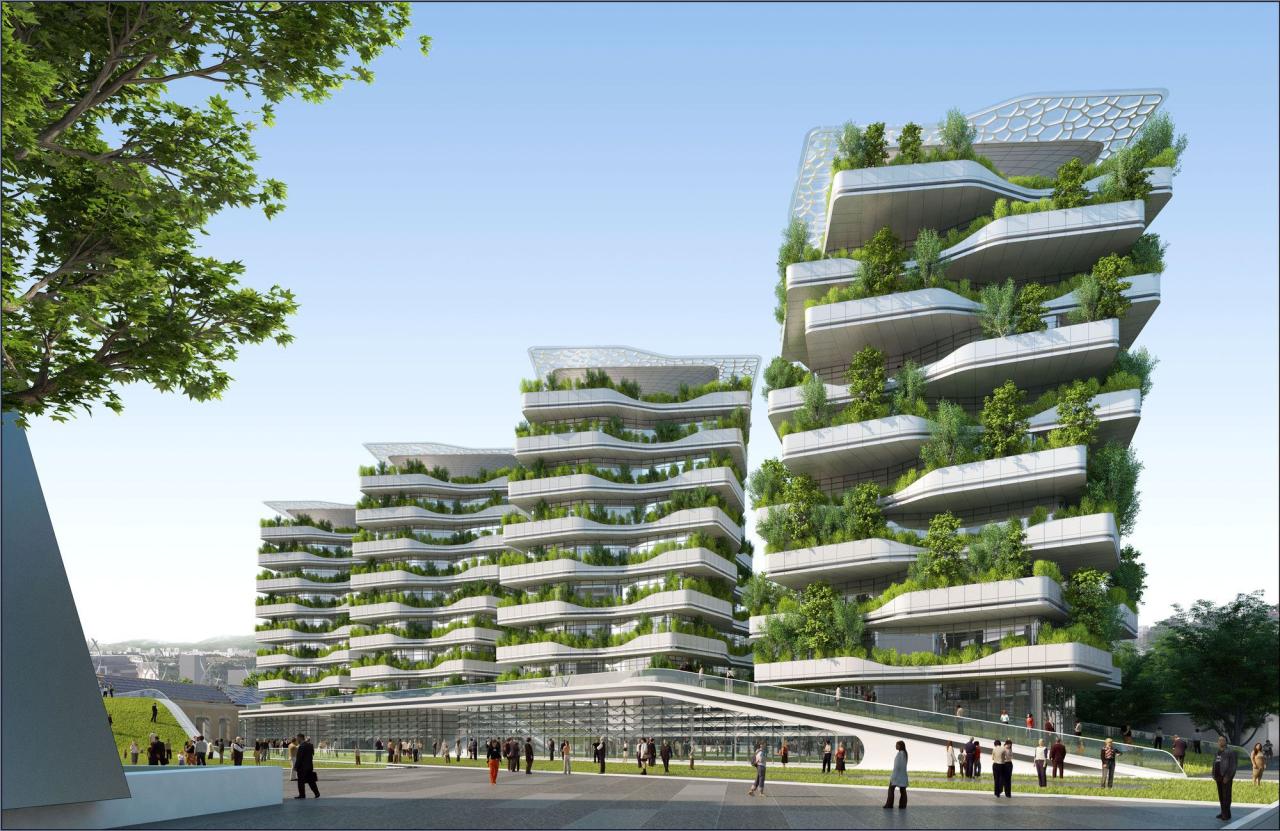
The late 20th century and the early 21st century really marked a turning point in urban design. Climate change, pollution, and the psychological toll of urban life pushed architects and planners to reconsider what a modern city should look like; thus, the “green tower” movement was born: structures giving back to the environment for the heights.

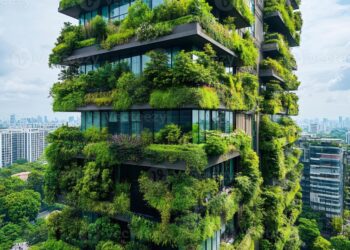
Instead, visionaries such as Stefano Boeri and his Bosco Verticale in Milan, or the architects responsible for Marina One and Oasia Hotel Downtown in Singapore, have had a different vision for these skyscrapers: living ecosystems. The buildings sport vertical gardens, renewable energy systems, and design elements that spur biodiversity. The idea herein is at once simple and revolutionary: cities should not compete with nature but coexist with it. Green towers absorb carbon dioxide and produce oxygen to reduce the cities’ heat island effect, hence making them more livable and sustainable.

Technology and the Smart Skyline

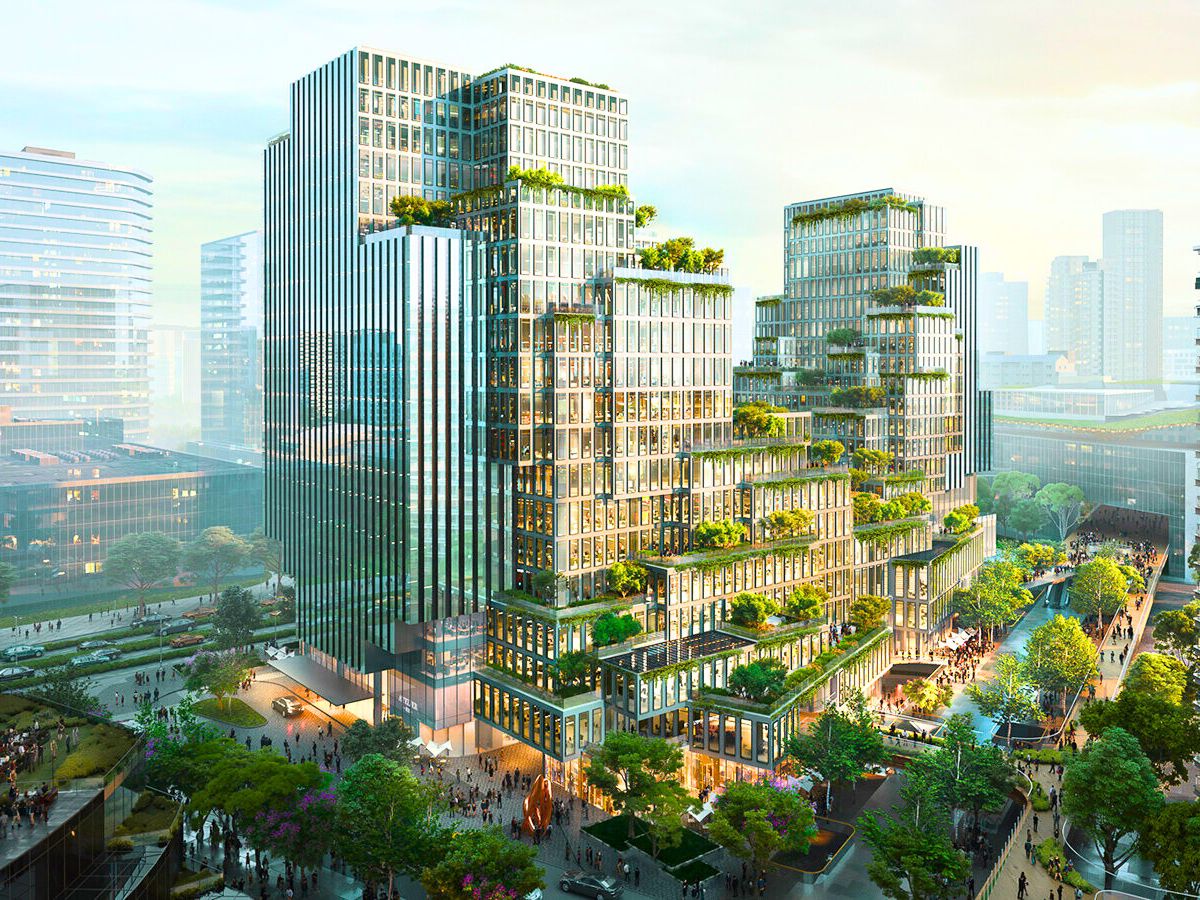
Skylines aren’t just getting greener; they’re getting smarter, too. Artificial intelligence, data sensors, and sustainable materials are changing not just the way cities look but also how they work: “smart buildings” that self-regulate energy use, modulate light based on natural cycles, even recycle water. Projects like The Edge in Amsterdam or One Central Park in Sydney show how technology and ecology come together in efficient and inspiring spaces.

Moreover, these innovations are centered on people, not just aesthetics. These green and smart towers are designed to improve air quality and mental health, while also providing a way for people to interact. The future horizon isn’t just about pride or power; it speaks to purpose.
Source: thursd

A Vision of the Future

The change in urban skylines reflects a growing consciousness of humankind’s place within the ecosystem of this planet. This is a change from concrete to green towers, reflecting a more significant transformation in how humankind perceives progress: not about dominance over nature, but partnership with it. As cities continue to grow, so does the challenge of how to design places that balance density and livability, technology and humanity, and ambition and responsibility.

In the next generation, skylines are likely to be active, self-sustaining, and regenerative-breathing structures that adapt not only to human needs but also to planetary ones. The beauty of this new era in architecture lies not in what touches the sky but in what sustains life beneath it.
Tags: ArchitecturalEvolutionCityDevelopmentEcoArchitectureEcoCityRevolutionEcoFriendlyDesignFutureArchitectureFutureCitiesGreenSkyscrapersGreenTowersGreenUrbanismModernArchitectureSmartBuildingsSmartCityDesignSustainableCitiesSustainableDesignUrbanArchitectureUrbanInnovationUrbanPlanningVerticalGardensVerticalLiving
hamo

hamo

Related Posts

Architecture 2025: Why Green Buildings are Becoming a Global Trend

Architecture 2025: Why Green Buildings are Becoming a Global Trend

by hamoraon writer
December 2, 2025

Within the last couple of years, the concept of green buildings has really gained momentum in architectural circles. Changes in...

Biophilic and Smart Homes: Emerging Trends for a Healthier, More Comfortable Living

Biophilic and Smart Homes: Emerging Trends for a Healthier, More Comfortable Living

by hamoraon writer
December 2, 2025

Over the past decade, there has been great change in residential design due, for the most part, to changing lifestyle...

The Digital Revolution: How AI and Generative Design Transform Architecture in 2025

The Digital Revolution: How AI and Generative Design Transform Architecture in 2025

by hamoraon writer
December 1, 2025

Whereas almost every professional field has felt profound change from the rapid advancement of digital technology, architecture is no different....

European Hotels with Unique Architectural Designs

European Hotels with Unique Architectural Designs

by hamo
November 25, 2025

Europe is home to some of the world's most stunning hotels. Blending architecture and culture with creativity to offer guests...

Biophilic Design: Reconnecting with Nature for Modern Spaces

Biophilic Design: Reconnecting with Nature for Modern Spaces

by hamo
November 25, 2025

The separation between nature and urban life is becoming increasingly obvious. Surrounded by concrete walls, artificial lighting, and digital screens,...

Next Post
How to Maximize Space Functionality within a Minimalist Home

How to Maximize Space Functionality within a Minimalist Home

Vernacular Architecture: Lessons from Local Traditions

Vernacular Architecture: Lessons from Local Traditions

Leave a Reply Cancel reply

Your email address will not be published. Required fields are marked *

POPULER NEWS

Adaptive Reuse and Modular Building: Architectural Solutions for the Modern City

Vernacular Architecture: Lessons from Local Traditions

The Digital Revolution: How AI and Generative Design Transform Architecture in 2025

Biophilic Design: Reconnecting with Nature for Modern Spaces

Architecture 2025: Why Green Buildings are Becoming a Global Trend

Modern Brutalism: The Return of Organic and Humanized Architectural Expression

Katadata is an online media and research company in the field of economics and business that combines journalistic strength and analytical acumen. The company provides various credible information and data on the Indonesian economy, business and finance as a source of reference for business people, investors and policy makers.

Category

  • Modern Architecture
  • Green Architecture
  • Interior Design Inspiration
  • Architectural Design
  • Modern Architecture
  • Green Architecture
  • Interior Design Inspiration
  • Architectural Design

Other Links

  • Index
  • Insight Center
  • Databoks
  • Event
  • KatadataOto
  • Index
  • Insight Center
  • Databoks
  • Event
  • KatadataOto
Subscription Newsletter

Follow Us

Facebook X-twitter Linkedin Instagram
  • About Katadata
  • Advertising
  • Cyber Media Guidlines
  • Privacy Policy
  • Disclaimer
  • Contact Us
©2025 Katadata. All rights reserved.
No Result
View All Result
  • Modern Architecture
  • Green Architecture
  • Interior Design Inspiration
  • Architectural Design

©2025 Katadata. All rights reserved.