In contrast to an age increasingly filled with technology, efficiency, and the minimalism of modern architecture, vernacular architecture speaks to something altogether different. A connection of people with their culture, environment, and heritage. Vernacular architecture is a manifestation of a local tradition whereby communities in every part of the world have built dwellings and other buildings that are best suited for their particular climate, available materials, and lifestyle. Today, as sustainability assumes a mantle of global importance, there is an increasing awareness that traditional design principles have a lot to teach about the future of architecture.
Understanding Vernacular Architecture
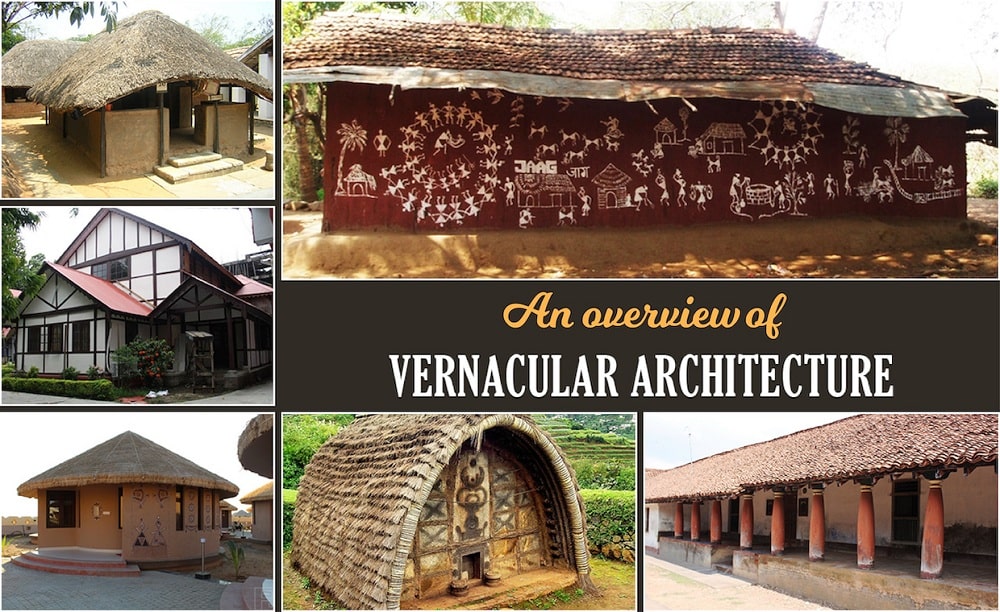
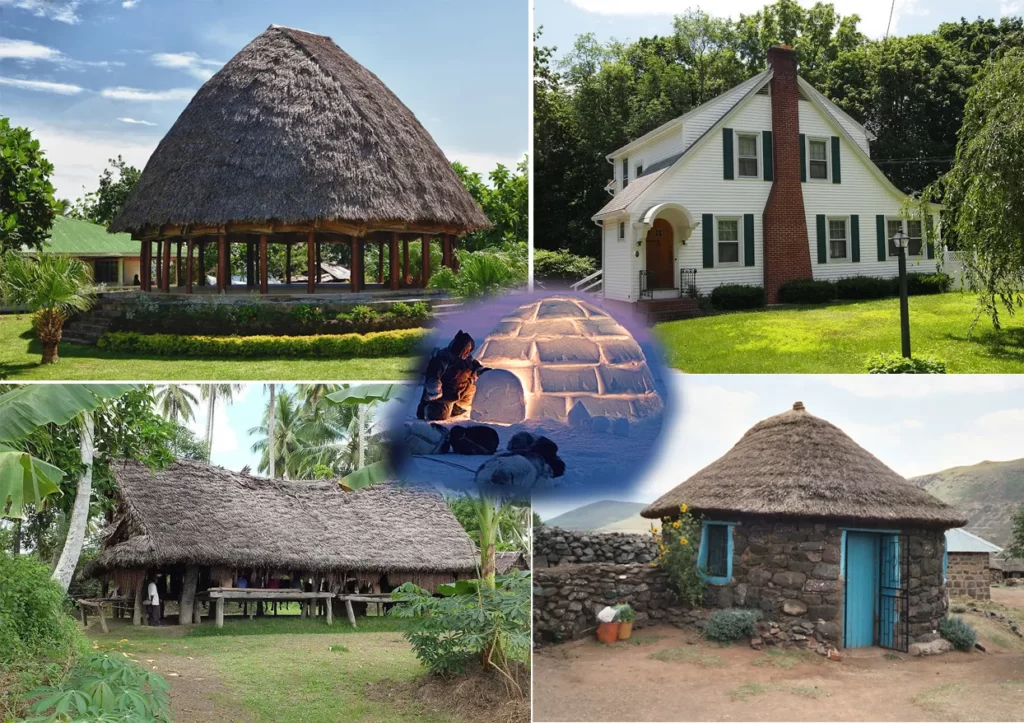
Vernacular architecture is the design and construction of buildings in accordance with local needs, materials, and traditions, as opposed to the professional practices of an architect. It is architecture made by the people, for the people-built from what is available and shaped by culture and environment. Examples can be seen everywhere, from the Indonesian stilt houses in coastal regions to adobe dwellings in Mexico, or stone cottages in rural England. These buildings are outstanding examples of how architecture can organically grow out of human adaptation to place.
Harmony Between Design and Environment
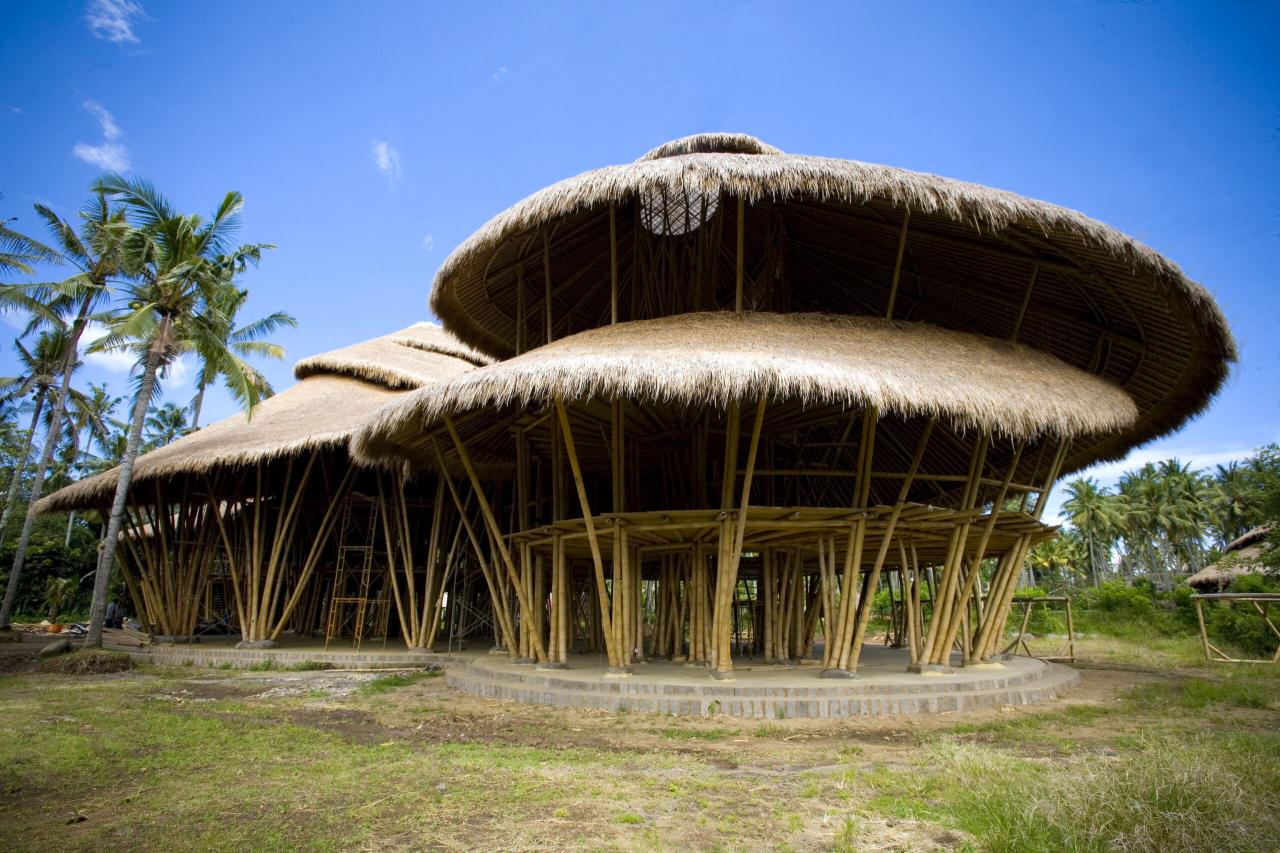
Perhaps the most important lesson that can be taken from vernacular architecture is its compatibility with nature. Traditional builders often relied on materials sourced from around them and actually responded quite well to the climate around. Houses in tropical regions had wide eaves and open layouts for ventilation, while thick stone walls insulated homes in colder regions. These environmentally responsive techniques have more recently been prompting modern architects to design energy-efficient buildings that work with, rather than against, nature.
This trend of resurgence in eco-sensitive design proves that the concept of sustainability was not so new after all, but it had always been put into practice in traditional architecture.
The Role of Culture and Community
More than just functionality, vernacular architecture also represents a community’s cultural identity: the forms, patterns, and ornamentation of local building traditions reflect their way of life, spiritual beliefs, and artistic expression. The intricate carvings of a Balinese temple or the geometric motifs of a Marrakech riad are not just decorations; they tell stories about ancestors and a sense of connection.
Vernacular traditions remind us that architecture is not just about aesthetics in this globalized world, but also about capturing the essence of a place and the spirit of its people.
Adaptation and Innovation
While conventionally based on tradition, vernacular architecture also teaches how to adapt. Throughout history and continuing today, communities often modify their building practices to adapt to new challenges that range from shifting climate patterns to population increases. Architects now revisit these adaptive methods by drawing on traditional wisdom and pairing it with modern technology. Sometimes called neo-vernacular architecture, this fusion is concerned with the use of materials and techniques from the contemporary world while keeping local styles and principles in mind. From bamboo-based projects in Asia to compacted earth-based eco-resorts in Africa, modern design is still inspired by this time-tested approach.
Lessons for the Future
It is within the context of vernacular architecture that important messages about the future of design emerge: the need for architects and urban planners to understand and work with local contexts, respect natural ecosystems, and involve communities in the creative process. Vernacular design principles can lead to more sustainable and livable spaces in cities as they grow and environmental concerns increase.
The lesson is simple, yet profound: architectural innovation doesn’t always mean starting from scratch; often, innovation begins by looking back.
Conclusion: The Past in Building the Future
Vernacular architecture reminds us that progress and tradition can come together in a beautiful way. By learning from the past-embracing natural materials, cultural diversity, and environmental awareness-we design buildings that meet modern needs and offer closer-to-the-people contact with a place. As the world embarks on sustainable solutions for the built environment, the wisdom of local traditions keeps lighting the way forward.